

Description
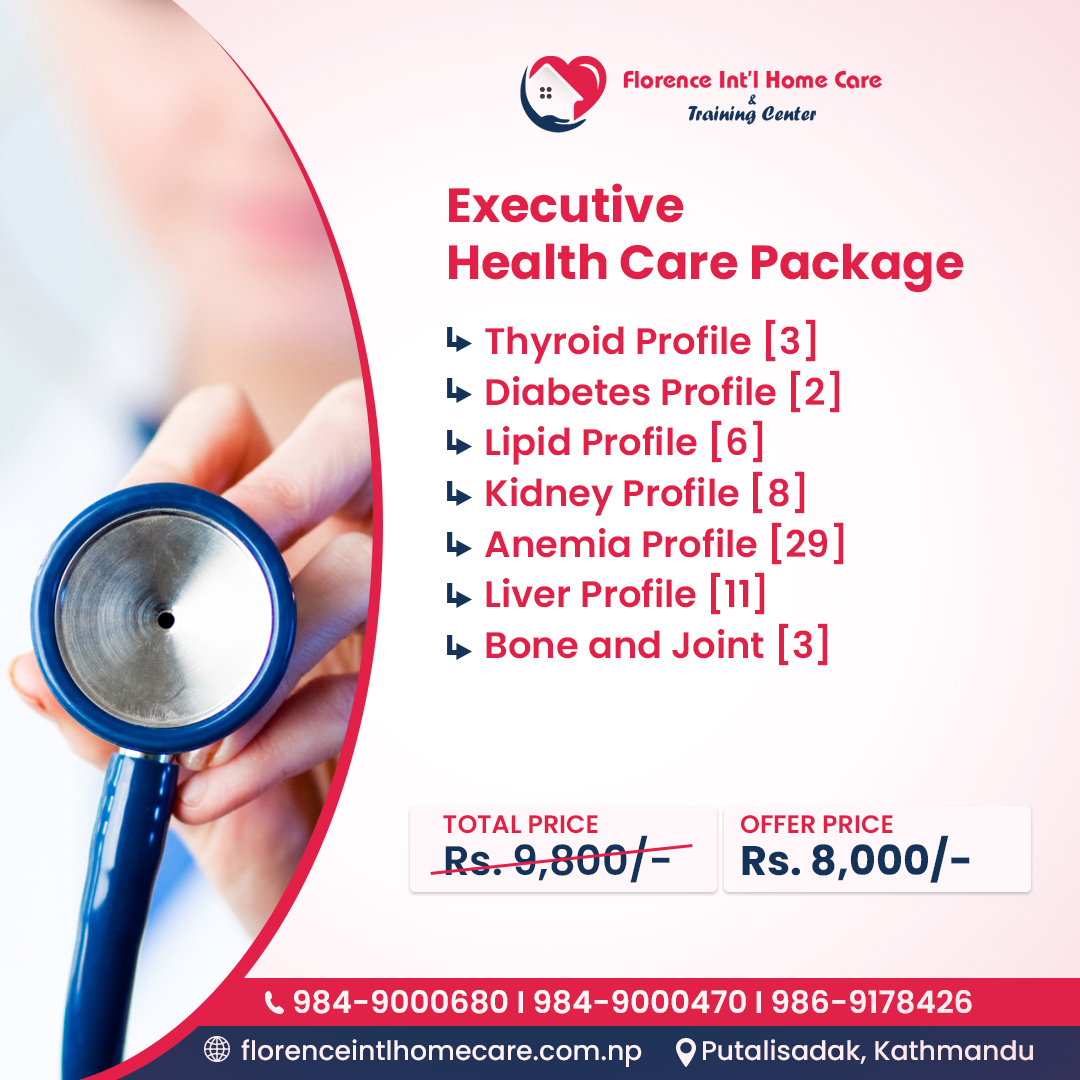
Thyroid Profile [3]
- Thyroid Stimulating Hormone (TSH):
- What it is: A hormone produced by the pituitary gland that regulates the thyroid gland.
- Relevance: High TSH levels may indicate hypothyroidism (underactive thyroid), while low TSH levels can suggest hyperthyroidism (overactive thyroid). It helps in diagnosing thyroid disorders.
- Free Triiodothyronine (FT3):
- What it is: The active form of thyroid hormone that regulates metabolism.
- Relevance: Low FT3 may indicate hypothyroidism, and high FT3 can suggest hyperthyroidism. It plays a role in energy production and metabolic rate.
- Free Thyroxine (FT4):
- What it is: Another thyroid hormone that is a precursor to FT3.
- Relevance: Low FT4 levels can suggest hypothyroidism, while high FT4 levels may indicate hyperthyroidism. FT4 helps in maintaining normal growth and metabolism.
Diabetes Profile [2]
- Blood Sugar F/PP/R (Fasting/Postprandial/Random):
- What it is: Blood glucose levels measured at different times—after fasting (F), after eating (PP), and at any random time of the day (R).
- Relevance: High blood sugar readings suggest diabetes or pre-diabetes and can help monitor the effectiveness of diabetes treatment.
- HbA1C (Glycated Hemoglobin):
- What it is: A measure of your average blood sugar levels over the past 2-3 months.
- Relevance: High HbA1C levels indicate poorly controlled diabetes, increasing the risk of complications like heart disease, nerve damage, and kidney disease.
Lipid Profile [6]
- Total Cholesterol:
- What it is: The total amount of cholesterol in the blood, including both LDL (bad) and HDL (good) cholesterol.
- Relevance: High levels of total cholesterol increase the risk of heart disease. It’s important to monitor cholesterol to manage cardiovascular health.
- Triglycerides:
- What it is: Fats in the blood that provide energy, but excessive levels can indicate heart disease.
- Relevance: Elevated triglyceride levels are associated with insulin resistance, diabetes, and cardiovascular risk.
- HDL Cholesterol:
- What it is: High-density lipoprotein, often referred to as “good” cholesterol.
- Relevance: High HDL cholesterol helps remove excess cholesterol from the bloodstream and reduces the risk of heart disease.
- LDL Cholesterol:
- What it is: Low-density lipoprotein, or “bad” cholesterol, which can build up in arteries and cause blockages.
- Relevance: Elevated LDL cholesterol is a major risk factor for atherosclerosis, heart attacks, and stroke.
- VLDL Cholesterol:
- What it is: Very-low-density lipoprotein, another type of “bad” cholesterol.
- Relevance: High VLDL cholesterol levels contribute to plaque buildup in the arteries, increasing the risk of heart disease.
- Cardiac Risk Ratio:
- What it is: A ratio of total cholesterol to HDL cholesterol.
- Relevance: A higher ratio indicates a higher risk of heart disease.
Kidney Profile [8]
- Urea and Creatinine:
- What it is: Waste products filtered by the kidneys.
- Relevance: Elevated levels may indicate kidney dysfunction or kidney disease. Monitoring kidney function is important for diabetic patients and those with high blood pressure.
- Uric Acid:
- What it is: A byproduct of purine metabolism, excreted by the kidneys.
- Relevance: High uric acid levels can cause gout and are often elevated in patients with kidney disease or diabetes.
- Urine RE/ME (Routine Examination):
- What it is: A test that checks for abnormalities in urine, such as infections, protein, or red/white blood cells.
- Relevance: This test helps detect early kidney damage, urinary tract infections, and other kidney-related issues.
- Urea/Creatinine Ratio:
- What it is: A ratio that helps assess kidney function.
- Relevance: An abnormal ratio suggests kidney dysfunction, dehydration, or heart failure.
- Sodium and Potassium:
- What it is: Important electrolytes that help regulate fluid balance, nerve signals, and muscle function.
- Relevance: Abnormal sodium or potassium levels can indicate kidney problems, dehydration, or diabetes.
- Albumin Creatinine Ratio (Urine ACR):
- What it is: The ratio of albumin (protein) to creatinine in the urine.
- Relevance: High levels of albumin in urine are an early sign of diabetic nephropathy (kidney damage caused by diabetes).
Anemia Profile [29]
- Complete Haemogram [26]:
- What it is: A test that measures the levels of WBCs, RBCs, hemoglobin (HGB), hematocrit (HCT), and various other red and white blood cell indices.
- Relevance: Helps diagnose anemia, infections, blood disorders, and bone marrow issues.
- Vitamin B12:
- What it is: A vitamin necessary for red blood cell production and nerve function.
- Relevance: Low levels of Vitamin B12 can lead to pernicious anemia and neurological issues like numbness or weakness.
- Serum Iron:
- What it is: A test to measure the amount of iron in the blood, which is essential for red blood cell production.
- Relevance: Low iron levels indicate iron-deficiency anemia, which can cause fatigue and weakness.
Liver Profile [11]
- Bilirubin Total, Direct, and Indirect:
- What it is: A test to measure bilirubin, a product of red blood cell breakdown. Direct bilirubin is conjugated, and indirect bilirubin is unconjugated.
- Relevance: Elevated bilirubin levels may indicate liver disease, bile duct obstruction, or hemolysis.
- SGOT/AST (Aspartate Aminotransferase):
- What it is: An enzyme found in the liver, heart, and muscles.
- Relevance: High SGOT/AST levels may indicate liver damage or heart disease.
- SGPT/ALT (Alanine Aminotransferase):
- What it is: Another liver enzyme that helps metabolize proteins.
- Relevance: Elevated SGPT/ALT levels are indicative of liver inflammation or hepatitis.
- ALP (Alkaline Phosphatase):
- What it is: An enzyme found in the liver and bones.
- Relevance: High ALP levels suggest liver disease, bone disorders, or bile duct obstruction.
- Total Protein:
- What it is: Measures the total amount of protein in the blood, including albumin and globulins.
- Relevance: Low levels may indicate liver disease, kidney disease, or malnutrition.
- Albumin and Serum Globulin:
- What it is: Proteins in the blood; albumin is made by the liver, while globulins are made by the immune system.
- Relevance: Abnormal levels can indicate liver, kidney, or immune system disorders.
- A/G Ratio (Albumin/Globulin Ratio):
- What it is: The ratio of albumin to globulin in the blood.
- Relevance: An imbalanced ratio may suggest liver disease, chronic inflammation, or immune system disorders.
- Gamma Glutamyl Transferase (GGT):
- What it is: An enzyme found in the liver.
- Relevance: Elevated levels may suggest liver damage, alcohol abuse, or cholestasis (blocked bile flow).
Bone and Joint [3]
- Calcium:
- What it is: A mineral important for bone health, muscle function, and nerve signaling.
- Relevance: Low calcium can indicate bone disease, parathyroid disorders, or kidney disease.
- Phosphorus:
- What it is: A mineral essential for bone and teeth health.
- Relevance: Low phosphorus levels can indicate bone disease or kidney problems.
- Vitamin D:
- What it is: A vitamin that helps the body absorb calcium and supports bone health.
- Relevance: Low vitamin D levels can cause bone pain, weakness, and increase the risk of osteoporosis and rickets.


Reviews
There are no reviews yet.